Behavioral science faculty in residency training programs have faced shifts in their roles in the last 20 years as a result of a variety of forces impacting residency programs, including the advent of integrated care. What does it mean to work as a behaviorist in your department? Is your work valued or understood? Are you being asked to implement integrated care alongside all of your existing responsibilities? If these are questions you have been asking yourself then this Community Conversation is for you. Come ready to share and discuss how the intersection of integrated care and resident training can be an important and powerful force for positive change in the world of healthcare and in your professional career.
Community Conversation

Community Conversation: Busting the Myths of PCBH
For many of us, the PCBH model is a simple and efficient approach to providing high-quality patient-centered care. However, a variety of myths exist as how to how the model should be applied, such as who is a “good fit”, is this even therapy, and you can only treat small problems, to name a few. In this Community Conversation, the group attempted to bust these Myths of PCBH with our panel of super contributors. Finally, we explored many of the myths posted to the listserv and welcomed all those in attendance to submit their myths as part of the conversation.

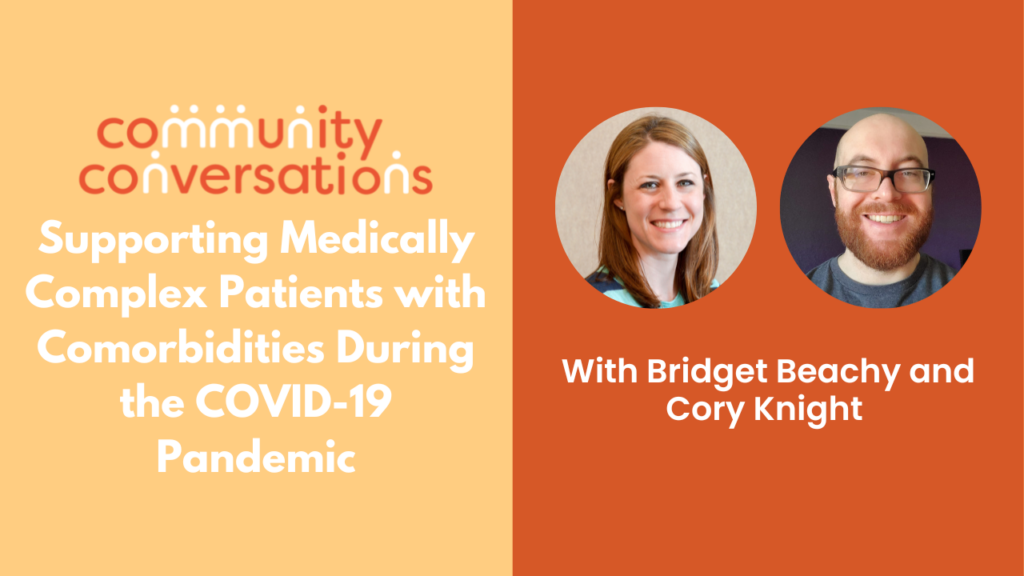
Community Conversation: Supporting Medically Complex Patients with Comorbidities During the COVID-19 Pandemic
Historically, primary care has been the first line of treatment for those who experience co-occurring mental and chronic health conditions. Often termed “medically complex”, these patients have unique healthcare needs that require providers to operate above and beyond their typical practice. Unsurprisingly, the COVID-19 Pandemic has added a new layer of complexity, leading many providers to continuously evolve in their approach to treatment. In this Community Conversation, we explored these practices for supporting medically complex patients during the COVID-19 Pandemic.

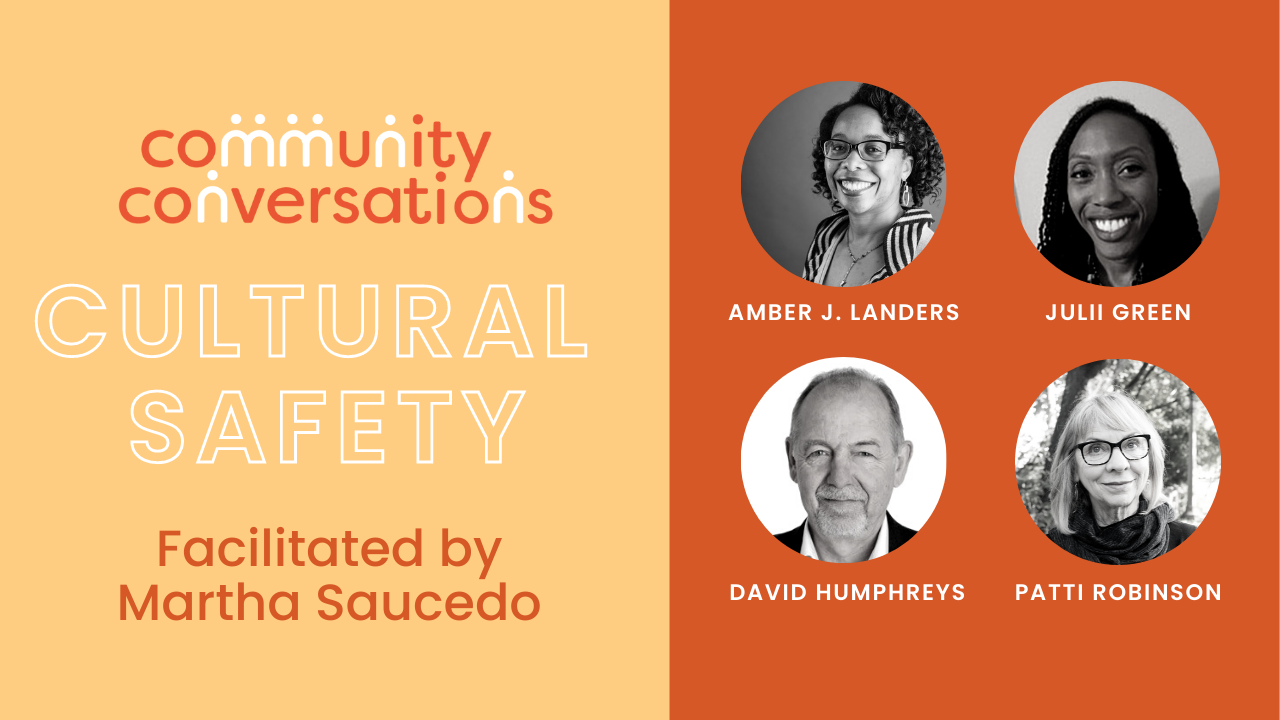
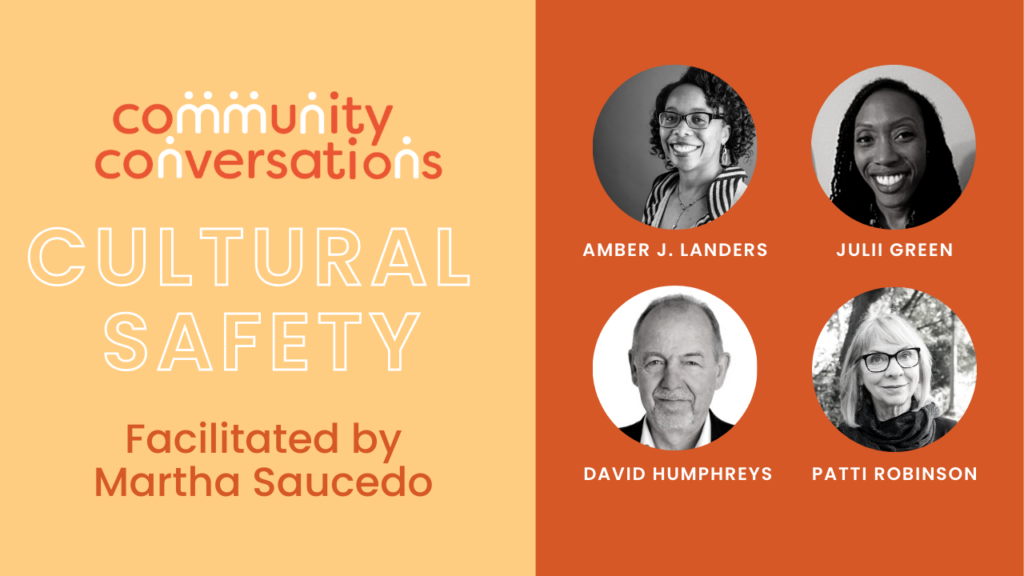
Cultural Safety
Cultural Safety
Throughout the years’ terms for addressing the cultural factors in human communication have changed. How can we be more inclusive and engaging when we talk with someone from a culture different from our own? Cultural competence. Cultural humility. Cultural safety. What term do you use and why? The purpose of this community conversation is to help you explore your views and terms. Awareness and intention are powerful components of an engaging conversation between an individual seeking care and an individual providing it.
Calling all CoCM Champions

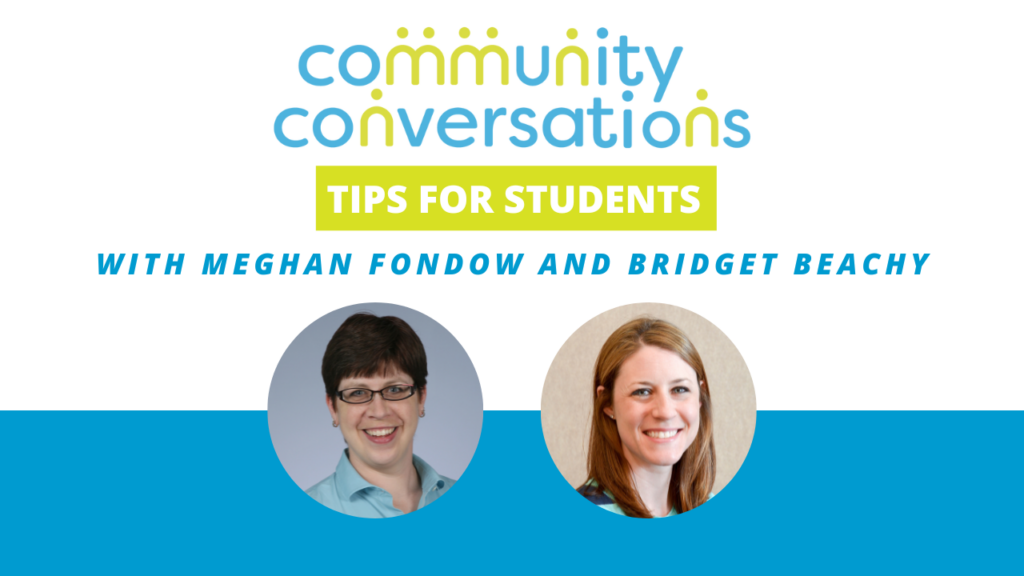
Tips for Students
Tips for Students
In this CFHA Community Conversation, Meghan Fondow and Bridget Beachy shared tips and tricks for students working in integrated care settings.
Population Health & Integrated Care

PCBH & CoCM: PCBH & CoCM: How providers working within these models can provide optimal care
The PCBH Model has become the standard of practice for many behavioral health providers working in integrated care. While the PCBH Model is thought to provide a generalist approach to treating mental and chronic health conditions, the Collaborative Care Model (CoCM) arose from a need to address these problems in a more systematic way. This has led to some confusion by providers as to which model best addresses the treatment of mental and chronic health conditions. Moreover, these models are highly complementary, and each play a vital role in patient-centered care. This community conversation focused on the PCBH Model, CoCM, and how providers working within these models can provide optimal care.