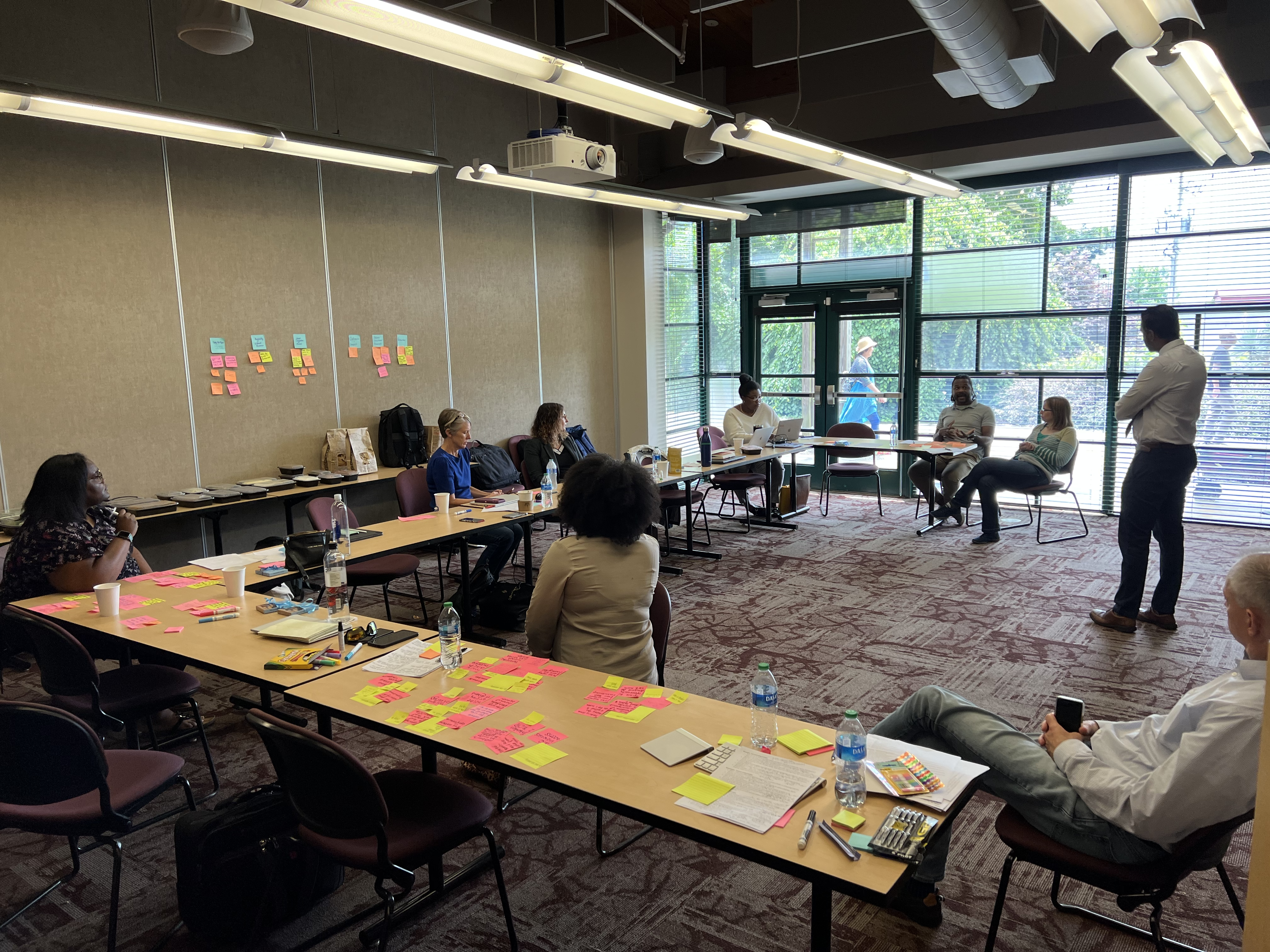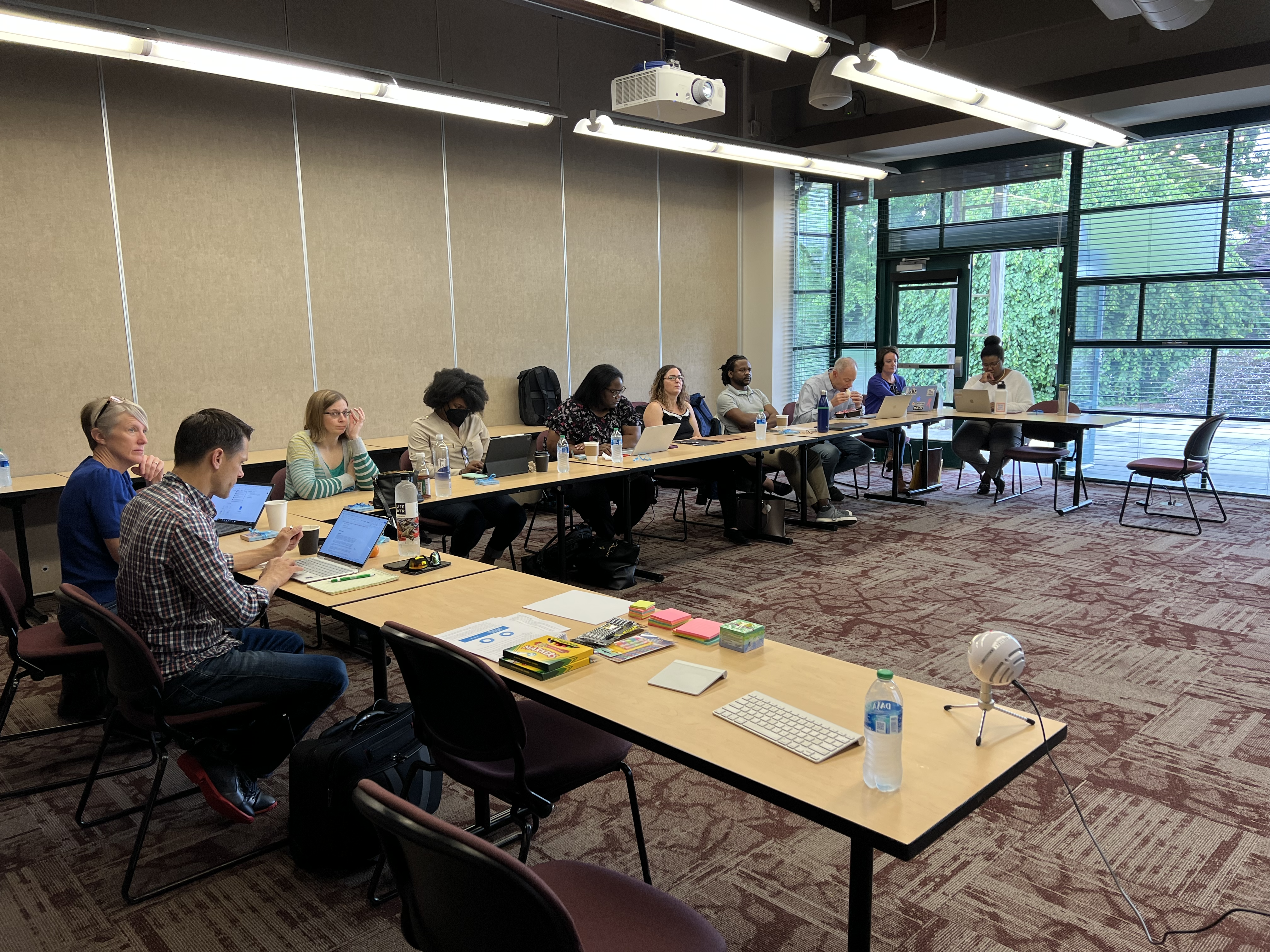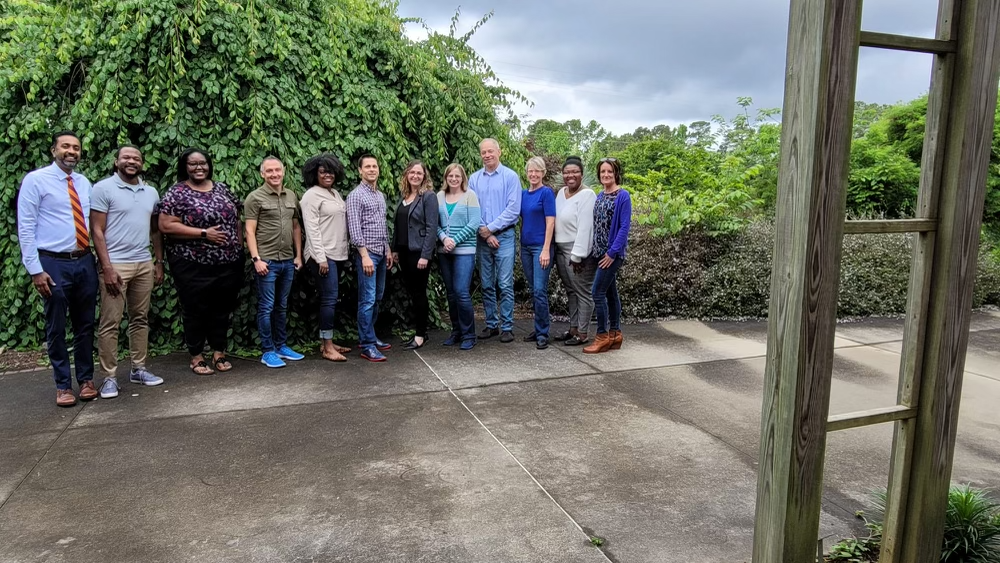


It’s true. The large majority of us roll our eyes when it comes to strategic plans and their myriad of KPIs, other acronyms and promises about the future. The truth is that what is most essential about an organization’s viability and efficacy is its strategic vision, not it’s guesses about what it could accomplish in an undetermined future. To this end we at the Collaborative Family Healthcare Association: The Integrated Care Association, present our version of a strategic plan.
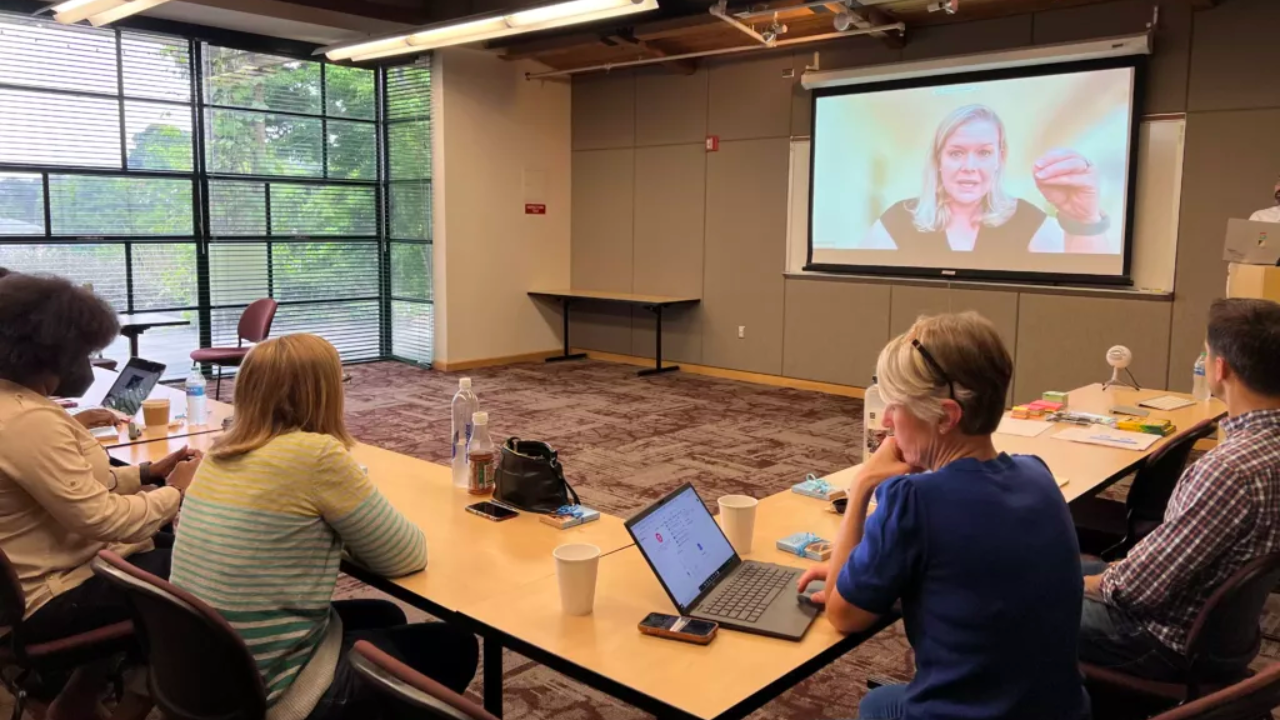
It’s probably not fair to call it a strategic plan, but it most certainly is the end-result of our strategic planning process. In it we reaffirm our mission and values, we update our identity statement, update our strategy screen and ask ourselves the one big question we think will dominate our sphere in the next few years. In short, we are attempting to be ready for whatever the wind blows our way as we continue the work of organizing the integrated care community, creating high quality content and high value consultation.
Our mission and values remain unchanged with the exception of a reorganization of our values. Whereas before our values were listed in bullets, now our values summarize our commitments in sharp statements. This should help us better communicate our values compared to a laundry list of statements in different domains. For example, we remain committed to both fostering health equity and evidence-based care. Now our values are reflected in the statement:
- Disseminating and operationalizing evidence-based practices for patients and families who are at risk for health inequities through integrated care practice and policy
Our identity statement is similar to our past identity statement but now indicates a willingness to partner beyond North America where our contributions might be helpful. The CFHA board also made sure that our support of professionals included and named all stages of career development.
by serving aspiring, emerging, and experienced integrated care team members…
Our strategy screen provides a series of questions the staff and board can use when considering new opportunities or challenges. This mechanism provides a systematic way to process changes in the environment and assure that consensus emerges from our planning work. This also creates efficiency since we all are working from the same strategy screen.
Our “Big Question” rounds out the document with a question we will keep top-of-mind as go about our work.
How do we refine and preserve our identity while adhering to our values and growing as a source of influence in our dynamic healthcare system?
This question comes about from an acknowledgment on the part of the board that as we grow our identity will be challenged. How do we remain faithful to our purpose even as we experience success? How do we continue the process of figuring out who we can best be in the space of promoting integrated care as the environment inevitably shifts around us?
So, no there are no KPIs in this document. In fact, the document itself is not even the most important product of the process, which by the way is modeled after this not-for-profit strategic planning approach and this facilitation approach. The most important product of the document is a board and staff that are unified and prepared to face challenges and opportunities in an ever-changing healthcare landscape. That preparation helps lead to the business and strategic decisions that are the traditional goal of strategic plans. It also helps our Integrated Care Association remain nimble and adaptable, strengths of small not-for-profits like CFHA.
BTW- We do value data, so we have internal core metrics we keep and report on both at the individual staff level and quarterly at the team level. So we are definitely not anti-metrics!